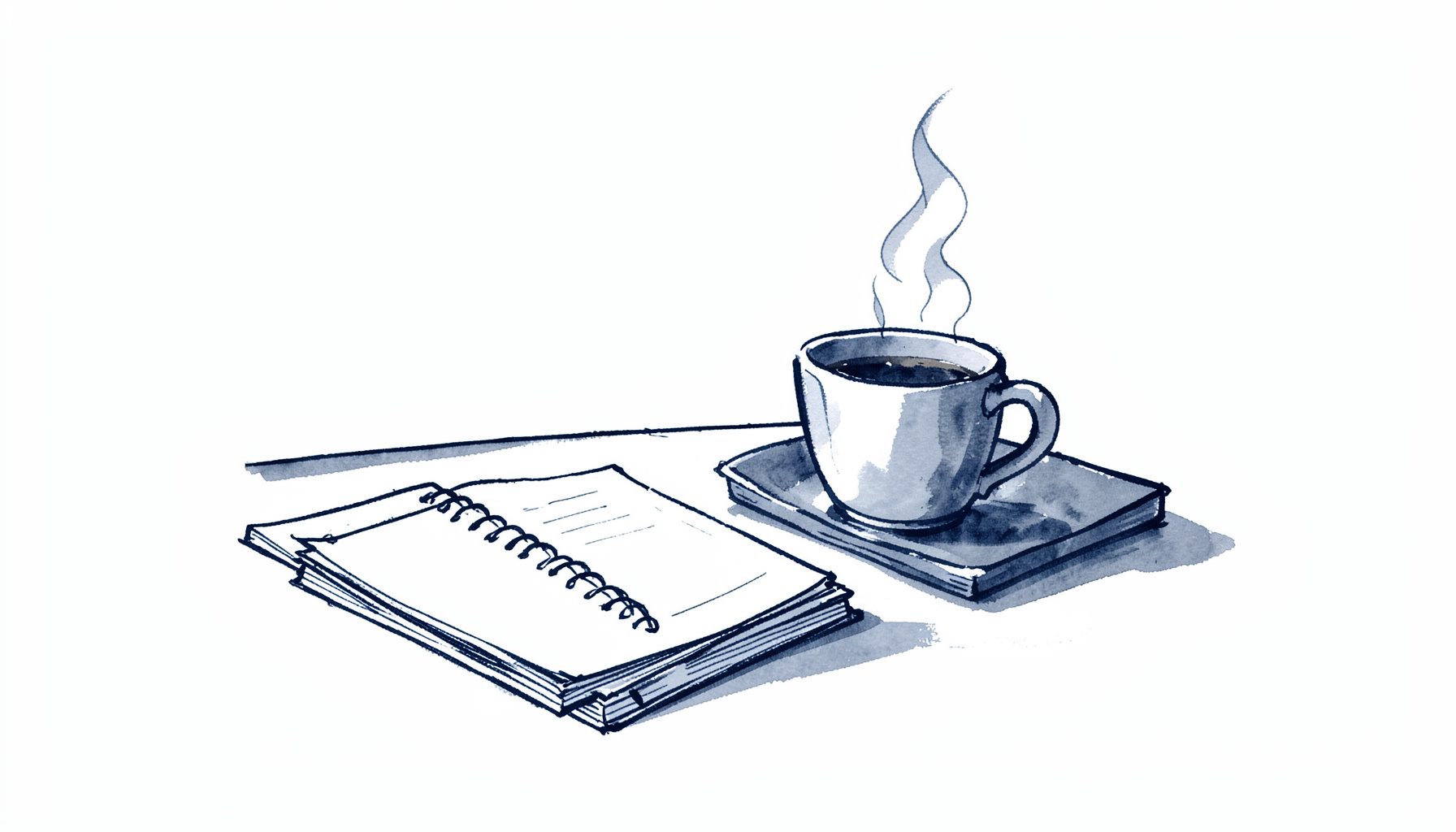
The 7-minute morning routine to wake up your nervous system
Most busy Australian professionals start the day in reactive mode: phone first, inbox next, then a scan of Teams messages before the coffee has cooled. That pattern asks the brain to switch from recovery to problem-solving at full speed. A short nervous-system routine creates a useful bridge, letting alertness build before urgency takes over.
This 7-minute morning routine to wake up your nervous system is not a substitute for sleep, nor does it promise a laboratory-perfect cortisol curve. It is a compact sequence moving from slower breathing and joint mobility into strength work, brisk movement, and daylight. Done beside a desk, in a hotel room, or before catching the train, it gives the first minutes of the day a clear physical signal that work is beginning without rushing the body.
Why your nervous system needs a deliberate start
Immediately after waking, the brain is still clearing sleep inertia while the autonomic nervous system shifts between rest and activation. Slow nasal breathing with a slightly longer exhale supports the parasympathetic side, reducing the sense of urgency; dynamic movement then recruits the sympathetic side so alertness rises naturally. This graded approach is often more sustainable than beginning the day with an intense scramble or several rushed messages.
Coffee can still be part of the plan. A flat white is a familiar Australian morning ritual, but caffeine works best as support rather than a substitute for movement, hydration, and food. Anyone considering creatine, a pre-workout, or another stimulant should check the ingredients, serving size, and independent testing in a current supplement review before adding it to a tight routine.
Build the sequence from calm to activated
Start with 60 seconds of controlled breathing: inhale for four counts and exhale for six, without straining or holding your breath. Follow with one minute of fluid movement, such as eight cat-cow cycles, eight thoracic rotations, eight arm swings, and eight calf raises. Keep the range comfortable and let the eyes focus on a distant point as the room brightens.
Use minutes two to four for strength. With a sturdy chair and a wall nearby, complete two rounds of six chair squats, six incline push-ups, and 20 seconds of dead bugs, alternating sides. Stand fully between repetitions, brace gently, and stop pushing form when quality falls. This short block wakes the muscles that support desk posture without creating the fatigue of a full gym session.
Use minutes four to six for cardiovascular lift: alternate 30 seconds of easy marching with 30 seconds of brisk marching for four rounds. Fast feet are optional; a stronger arm swing or a slightly quicker step is enough. In the final minute, slow down, shake out the arms and legs, drink water, and look toward daylight. The aim is a settled but alert state, not exhaustion.
Adjust for sleep, stress and Australian conditions
A nervous-system routine should respond to the day’s starting conditions. After poor sleep or a demanding night, replace fast intervals with easy marching and prioritise two rounds of the strength block. During a stressful morning, use a longer exhale and fewer rotations rather than trying to overpower tension. Anyone with persistent dizziness, chest symptoms, or unusual breathlessness should stop and seek appropriate medical advice.
Local conditions matter too. Sydney and Melbourne commuters often have a brief window before a 9 a.m. meeting, making a chair-and-wall routine practical. Brisbane and Perth can already be hot early in summer, so indoor movement and daylight through a window are sensible; if running outdoors, apply sunscreen even when the sky is cloudy. Australian workplaces also favour quick stand-ups, so the routine fits neatly before the first agenda item rather than delaying it.
Fuel the routine for a full workday
The seven minutes create demand; breakfast helps restore it. A practical option available at Coles or Woolworths is Greek yoghurt with berries and a boiled egg, or wholegrain toast with peanut butter and fruit. Combine roughly 20 to 30 grams of protein with fluids and some carbohydrate, then adjust portions to appetite and workload. Coffee on an empty stomach may feel fast, but food soon afterwards usually supports steadier energy through the morning.
Preparation removes decisions. Keep a water bottle, resistance band, and breakfast ready the night before; a banana or handful of nuts can serve as a backup when a client call arrives earlier than expected. The broader 15 Minute Corporate Warrior approach treats training, food, recovery, and focus as one operating system, which matters when the calendar contains back-to-back corporate demands.
Turn activation into professional momentum
The final two minutes are behavioural, not physical: write one priority for the day, identify the first task that creates value, and delay the inbox for five minutes. That small sequence gives the nervous system a predictable pattern of effort followed by direction. It also reduces the common temptation to feel busy by reacting to every notification.
During a demanding close or growth quarter, the habit must survive a packed calendar. If lifting sessions disappear, protecting protein, progressive resistance work, and recovery becomes more important; this guide to busy-quarter muscle maintenance explains how to preserve strength when training time is limited. The morning routine then supplies movement without adding another lengthy appointment.
Compare the available morning options
Several methods can create alertness, but they trade time, equipment, and intensity differently. The seven-minute sequence is positioned between a breathing reset and a full workout, making its main advantage consistency rather than peak exertion.
| Morning option | Time needed | Main benefit | Main limitation |
|---|---|---|---|
| Breathing and mobility only | 3–5 minutes | Gentle transition into the day | Limited cardiovascular or strength stimulus |
| Seven-minute nervous-system sequence | 7 minutes | Combines regulation, strength, movement, and light | Requires a chair, wall, and roughly one square metre |
| Brisk outdoor walk | 15–30 minutes | Sustained aerobic movement and daylight | Harder to fit before work |
| Full gym session | 30–60 minutes | Greater training load and exercise variety | Equipment, travel, and recovery can make it impractical |
For time-poor professionals, the seven-minute sequence offers the strongest balance: it produces meaningful physical activation, needs no special membership, and can be performed with a chair and wall. Its value comes from repetition—the same clear signal each morning that the body is transitioning into focused work.